
June 18 looks, at first glance, like just another date on the retail calendar. For Apple investors, it may matter more than that.
The day marks China’s 618 shopping festival, one of the country’s biggest mid-year online sales events, and Apple is entering it with a sharper playbook than usual.
After a powerful run in AAPL stock, the company’s latest iPhone discounts in China are being watched as a test of whether Apple can turn product momentum into another leg of growth.
Apple’s China gamble
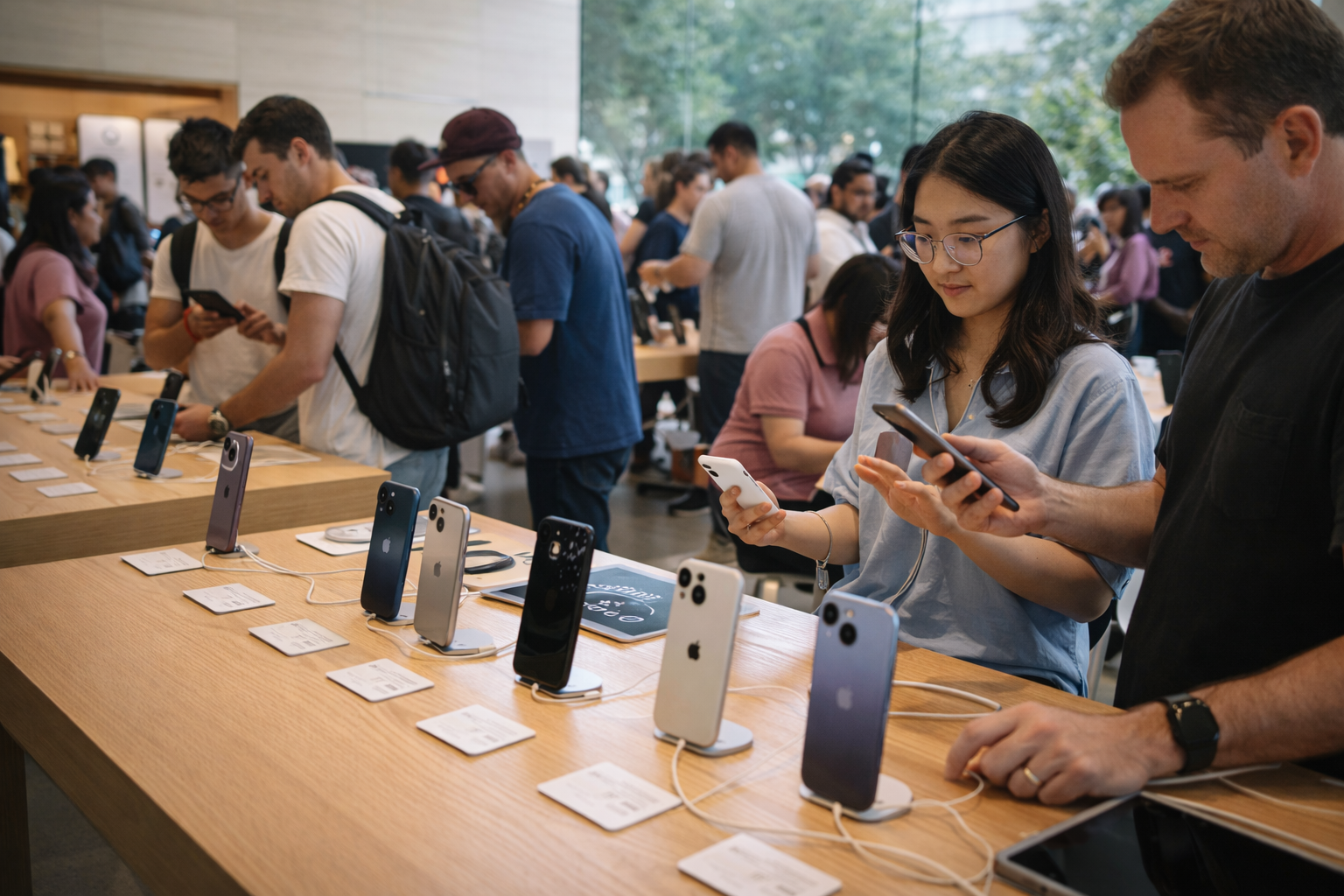
Apple has cut prices on parts of its iPhone 17 lineup in China ahead of 618, with reports pointing to a 1,000 yuan reduction on the iPhone 17 Pro series across major Chinese e-commerce platforms.
The timing is important as 618, built around June 18, has become China’s version of a Prime Day-style shopping event, when platforms compete heavily on price and brands fight for attention.
The move could easily be read as defensive, given Apple’s long-running competition with Huawei, Xiaomi and other domestic brands.
But analysts at Wedbush have framed it differently: as a market-share grab before the iPhone 18 cycle.
The logic is simple. Apple may sacrifice some hardware margin now, but a larger installed base can feed higher-margin services and software revenue later.
That makes the discount less about panic and more about positioning.
Numbers behind the confidence
The optimism around Apple is not coming out of nowhere. AAPL has returned more than 50% over the past 52 weeks, helped by the strong reception for the iPhone 17 series.
The stock has also gained 13.6% over the past six months, giving investors a reason to treat the China promotion as part of a broader growth story rather than a one-off sales push.
Apple’s financials back up that confidence. In the first six months of fiscal 2026, the company generated $254.9 billion in net sales, up from $219.7 billion a year earlier.
Operating cash flow reached $82.6 billion over the same period, underlining how much cash the business continues to produce even while it invests in new products and returns capital to shareholders.
The iPhone remains the centre of that story. Apple reported a March-quarter revenue record for the iPhone, while CEO Tim Cook pointed to “extraordinary demand” for the iPhone 17 lineup.
Services also reached a fresh all-time high, giving investors another reason to look beyond the immediate impact of discounts in China.
What comes after June 18?
The bigger question is not whether Apple sells more iPhones during 618.
It is what happens after that as September is expected to bring the iPhone 18 Pro and iPhone 18 Pro Max, while reports also suggest Apple’s first foldable device could arrive around the same launch window.
Apple has not confirmed the lineup, so the foldable remains an expectation rather than a certainty. Still, it would mark one of the company’s most important hardware expansions in years.
There is also a longer-term wearables angle. Reports and market speculation continue to point to Apple’s interest in AI-enabled devices such as smart glasses and next-generation AirPods.
That matters because the global wearable technology market is projected to grow from $84.5 billion in 2025 to $176.8 billion by 2030, at a 15.9% compound annual growth rate.
The post Why June 18 could be a turning point for AAPL stock appeared first on Invezz