
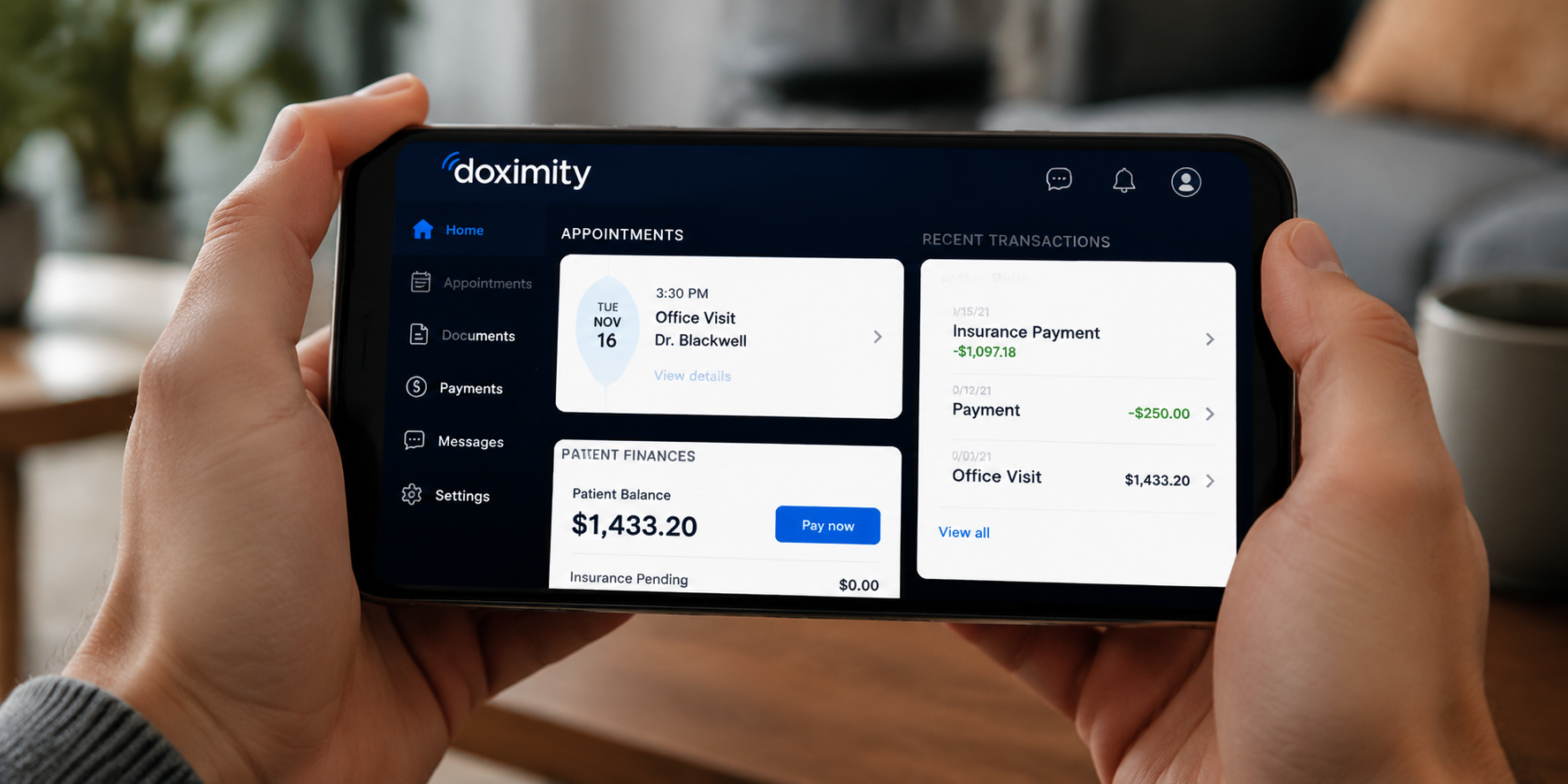
Shares of Doximity (NYSE: DOCS) plunged on Thursday after the telehealth platform reported weaker-than-expected quarterly profit and issued fiscal 2027 revenue guidance that fell significantly short of Wall Street estimates.
The figures intensified investor concerns about slowing growth and rising spending tied to artificial intelligence initiatives.
The stock fell 24% in premarket trading after already dropping 12% in Wednesday’s regular session to close at $23.39.
Shares of the company are now down more than 45% this year as investors reassess the pace at which Doximity can convert its AI investments into meaningful revenue growth.
The company reported adjusted earnings of 26 cents per share for its fiscal fourth quarter, below analyst expectations of 28 cents and down from 36 cents a year earlier.
Revenue rose 5% year over year to $145.4 million, narrowly topping consensus estimates of $144 million, according to FactSet.
However, investors focused on weaker forward guidance and a wave of analyst downgrades and price-target cuts following the earnings release.
Guidance disappoints investors
Doximity forecast first-quarter revenue between $151 million and $152 million, below Wall Street expectations of $153.8 million.
The company also projected adjusted EBITDA of $68.5 million to $69.5 million for the quarter ending June 30.
For fiscal 2027, which ends March 31, the company forecast revenue of $664 million to $676 million and adjusted EBITDA between $323 million and $335 million.
That guidance came in well below analysts’ expectations for fiscal 2027 revenue of $697.4 million, raising concerns that growth in Doximity’s core business is slowing more rapidly than expected.
The company operates a digital platform used by healthcare professionals for medical news, telehealth consultations, secure messaging and prescription management.
It has also expanded into AI-powered clinical workflow tools in recent years.
Despite the financial disappointment, executives largely focused their prepared remarks on user engagement and AI adoption trends.
“We’re thrilled to announce that we reached a new engagement record of over 800,000 active prescribers using our workflow tools in Q4,” Chief Executive Officer Jeff Tangney said in the earnings release.
“Nearly half of those providers used our clinical AI last quarter, while our prompts per user nearly doubled from January to April alone,” Tangney added.
Analysts slash targets
Several brokerages cut their price targets following the earnings report, though most maintained neutral or positive ratings on the stock.
Needham & Company lowered its price target on Doximity to $27 from $55 while maintaining a Buy rating.
The firm said Doximity’s growth rate is increasingly aligning with broader healthcare technology market growth rather than materially outperforming it.
Needham added that management’s fiscal 2027 guidance fell below expectations partly because of increased spending on AI and product development.
The brokerage said the near-term margin pressure appears necessary if the company hopes to eventually accelerate growth again.
According to Needham, AI-related investments could become Doximity’s largest opportunity to generate additional spending from existing customers over the longer term.
Evercore ISI also reduced its price target to $19 from $25 while maintaining an In Line rating.
The research firm described Doximity as being in “transition mode” as it pivots toward AI-productivity and search-based revenue streams.
Evercore ISI said the company is increasing spending on research and development, sales, and AI infrastructure ahead of a hoped-for future revenue acceleration.
The brokerage also warned that Doximity now faces a more competitive environment that will require greater agility from management.
“The changing demand environment and increased competition are expected to accelerate the market innovation cycle,” Evercore ISI said.
Still, the firm noted that Doximity maintains a strong balance sheet and substantial profitability advantages compared with many healthcare technology peers.
The company’s gross profit margin remains close to 90%, and it continues to hold more cash than debt.
Evercore ISI said it would closely monitor whether Doximity can begin monetizing its newer AI products beginning in the fiscal third quarter.
Competitive concerns intensify
Robert W. Baird & Co. took a more cautious stance, downgrading the stock to Neutral from Outperform and slashing its price target to $18 from $40.
Baird said investors may remain skeptical about the company’s strategy for some time because monetizing AI-related healthcare tools often takes longer than expected.
The firm also pointed to increasing competition, broader macroeconomic uncertainty and regulatory pressures affecting the digital health sector.
According to Baird, recent softness in demand trends may reflect deeper structural challenges facing both Doximity and the broader telehealth industry.
The brokerage added that healthy engagement metrics alone may not be enough to offset concerns about slowing customer spending growth and rising execution risks.
Investor confidence has also been affected by leadership changes and heightened scrutiny surrounding Doximity’s long-term growth algorithm.
Even after the sharp selloff, Baird said valuation risks remain because only about 65% of the company’s fiscal 2027 guidance range is currently booked.
Wall Street remains divided
Despite the sharp decline in the stock, Wall Street remains split on Doximity’s longer-term outlook.
According to analyst estimates compiled from 22 firms, the average price target on the stock has fallen from $36.74 to $31.11, with forecasts ranging between $17 and $55 per share.
Based on the stock’s May 13 closing price, the revised consensus target still implies roughly 33% upside potential.
Among 25 analysts covering the stock, 13 maintain Buy ratings while 12 recommend Hold. No analysts currently rate the shares as Sell.
For investors, the central question remains whether Doximity’s expanding AI capabilities can eventually reignite growth strongly enough to justify the company’s rising investment costs and restore confidence in its longer-term business model.
The post Doximity plunges 24% on weak guidance, analysts slash PTs on increased AI spending appeared first on Invezz